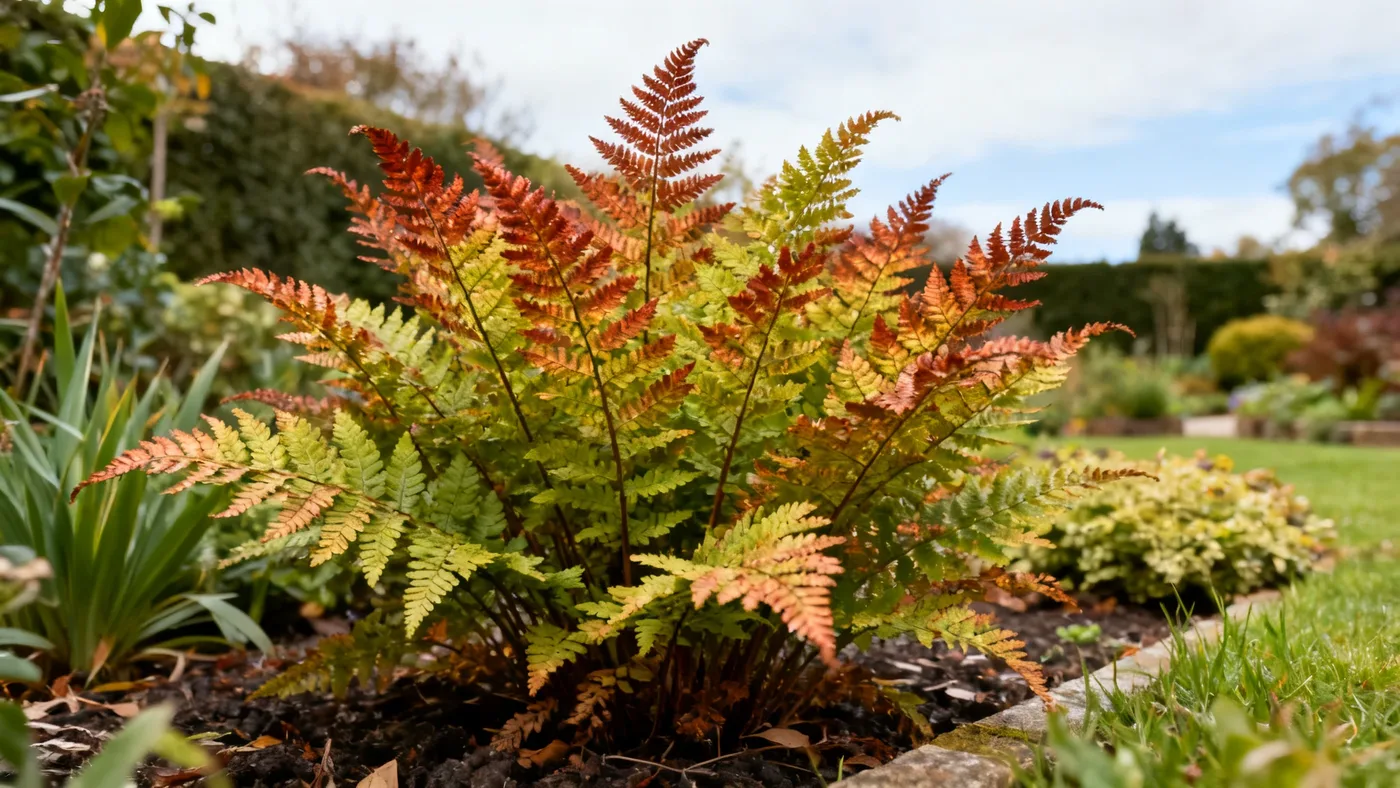
Watering Brilliance Autumn Fern: A Complete Guide
Brilliance Autumn Fern requires consistent moisture to thrive. Unlike many drought-tolerant perennials, this plant does not tolerate dry soil, particularly during its first year after planting. Understanding the autumn fern watering needs and mastering a simple routine will keep your fern's glossy fronds healthy and vibrant across all seasons.
Why Consistent Moisture Matters for Brilliance Autumn Fern
Brilliance Autumn Fern grows in medium, consistent moisture. The plant has low to moderate drought tolerance even after becoming established, so soil should remain evenly moist rather than cycling between wet and dry. This is not a fern that bounces back quickly from neglect.
The first year after planting is most critical. New ferns have limited root systems and cannot access moisture deep in the soil. Inconsistent watering during this period creates stress that shows as frond scorch, browning or crisping at the frond edges and tips. This damage is permanent on affected fronds, though new growth will be healthy once your watering becomes reliable.
On the opposite extreme, soggy or waterlogged soil invites crown rot, a fungal problem that attacks the plant's central crown and can kill the entire clump. This risk is especially high in heavy clay soil or in areas that receive frequent rainfall with poor drainage.
Materials You Will Need
- A watering can or garden hose with a gentle spray nozzle or wand
- A soil moisture meter (optional but useful for beginners)
- A rain gauge to track natural rainfall
- Mulch, such as shredded bark or composted leaves, for moisture retention
- Compost or peat moss to amend soil before planting
- A small hand shovel or dibber for digging planting holes
Step-by-Step: How to Water Your Brilliance Autumn Fern
At Planting Time
Step 1: Prepare a humusy, well-draining planting site. Brilliance Autumn Fern performs best in humusy, organically rich soil that drains well. Before planting, work compost or peat moss into your planting hole to improve both water retention and drainage. Aim for a soil pH between 5.5 and 6.5, which is slightly acidic to neutral. If you are unsure of your soil pH, a simple kit from any garden center will tell you.
Step 2: Space plants correctly. Brilliance Autumn Fern reaches 18 to 24 inches in height and width at maturity, forming a slowly spreading clump. When planting multiple ferns for mass plantings or groundcover, space them 18 to 24 inches apart to allow room for mature growth and air circulation.
Step 3: Water deeply right after planting. Immediately after setting the fern in its hole and backfilling with soil, water thoroughly. Apply enough water so it soaks 6 to 8 inches down into the root zone. This settles soil around the roots, eliminates air pockets, and gives the newly planted fern a strong start.
Step 4: Add mulch to retain moisture. Spread 1 to 2 inches of mulch, such as shredded bark or composted leaves, around the plant base. Keep mulch 2 inches away from the crown, where fronds emerge. Mulch moderates soil temperature, reduces evaporation, and keeps autumn fern moist during hot or windy periods. Replenish mulch as it breaks down over the growing season.
Ongoing Care Through the First Growing Season
Step 5: Monitor soil moisture every 2 to 3 days. For the first year after planting, check soil moisture frequently. Insert your finger 2 inches into the soil near the plant's base. If the top 2 inches feel dry to the touch, water. If the soil is already moist, wait another day or two before checking again. This frequent monitoring establishes the rhythm your local soil, drainage, and weather require.
Step 6: Water deeply when you water. When watering is needed, do not sprinkle lightly. Apply enough water to saturate the soil to 6 to 8 inches deep. Shallow, frequent watering encourages roots to stay near the surface, making the plant more vulnerable to drought later. Deep watering trains roots to grow downward, creating a stronger plant over time.
Step 7: Account for rainfall. Use a rain gauge to measure natural rainfall. If your area receives 1 inch or more of rain per week, you may not need to supplement with hand watering that week. Adjust your watering schedule based on what rain has already delivered. In dry weeks, increase watering frequency.
Step 8: Expect slow initial growth. Brilliance Autumn Fern has a slow to moderate growth rate and typically takes 2 to 3 years to reach its mature clump size, expanding just a few inches per year. During the first growing season, focus entirely on keeping the soil consistently moist rather than expecting rapid visible growth. This foundation work pays off in years two and three.
Seasonal Adjustments: Keeping Autumn Fern Moist Year-Round
Spring and Summer Watering
Spring and summer are the fern's active growing season. New fiddleheads emerge and unfurl into fronds, increasing water demand. During this period, water every 2 to 3 days if rainfall is light or absent. In zones 5 and 6, where summer heat is moderate, this schedule usually suffices. In zones 7 to 9, with hotter summers and faster evaporation, you may need to water every 1 to 2 days, especially if the fern is growing in a container, in sandy soil, or in a sunny location (though the fern prefers part shade to full shade).
Container-grown ferns dry out much faster than in-ground plants and often need daily watering during peak summer. Check container soil daily by pushing your finger into the potting mix; water if the top inch feels dry.
Fall Watering
As temperatures cool in fall, soil evaporation slows. Reduce watering frequency to every 3 to 5 days, or adjust based on your rain gauge readings and soil checks. The fern is evergreen to semi-evergreen depending on your zone, so it continues to need moisture as it transitions toward dormancy or winter rest. Do not allow the soil to dry out, even as growth slows.
Winter Watering
Winter watering depends on your USDA zone. In zones 8 and 9, where the fern remains actively green, water sparingly during winter but never let the soil dry out completely. Water every 7 to 10 days, or as needed based on soil checks. In zones 5 to 7, the fern may go semi-dormant or dormant, with fronds browning, flattening, or dropping back. During dormancy, reduce watering to every 1 to 2 weeks, or water only if the soil becomes bone dry. Before hard freezes, apply a light watering to help the plant withstand frost and winter wind.
How to Know If Your Watering Schedule Is Working
The simplest and most reliable method is the finger test. Insert your index finger 2 inches into the soil near the plant's base. If the soil feels moist, wait before watering. If it feels dry, water thoroughly. This method accounts for your local humidity, recent rainfall, and soil type without requiring any equipment or guesswork.
If you prefer a more precise approach, a soil moisture meter (available at most garden centers) provides a numerical reading. Insert the probe 2 to 3 inches into the soil and read the scale. Most ferns, including Brilliance Autumn Fern, perform best when the meter shows a reading in the "moist" to "medium" range, not the "wet" or "dry" extremes.
Fronds also communicate. Lush, glossy, deep green fronds indicate adequate moisture. Brown or papery frond tips and edges suggest inconsistent watering. Yellow, soft, or mushy fronds indicate overwatering and possible root rot, which requires immediate action to improve drainage or reduce watering frequency.
Mistakes to Avoid When Watering Autumn Fern
Overwatering and Soggy Soil
The most common fatal mistake is overwatering. Ferns despise standing water. Persistently wet or waterlogged soil excludes oxygen from the root zone and invites crown rot, a fungal disease that damages the plant's central growing point and can kill the entire clump. If soil feels wet to the touch or water pools on the surface for hours after watering, you are applying too much water or your soil is not draining well. Solution: increase the interval between waterings to every 4 to 5 days, or amend heavy clay soil with compost before planting to improve drainage.
Underwatering and Drought Stress
Allowing the soil to dry out stresses the plant, causing frond scorch. Frond scorch appears as brown or crispy edges and tips and cannot be reversed on affected fronds. However, new growth emerging after water is restored will be healthy. Never rely on the fern to "bounce back" after drying out, especially during the first year. Consistent moisture is always better than a drought-recovery cycle. Solution: water more frequently during summer and container growing, and ensure mulch is in place to reduce evaporation.
Inconsistent Watering
Swinging wildly between waterlogged and bone-dry soil is often worse than one steady state. Inconsistent watering causes the frond scorch many gardeners incorrectly blame on overwatering. This happens when the plant cycles through stress, recovery, and stress again. Solution: develop a watering routine tied to the calendar or to regular soil checks. Water on the same days each week, adjusting only for major rainfall or temperature swings. Consistency is more important than perfection.
Blocked Drainage in Containers
If you grow Brilliance Autumn Fern in a pot, ensure it has drainage holes in the base. Without drainage, water accumulates and causes root rot even if you are following a correct watering schedule. Repot into fresh, well-draining potting soil every 1 to 2 years to maintain soil structure and drainage capacity.
Neglecting Rainfall
Many gardeners water on a fixed schedule without accounting for natural rainfall. A week of steady rain means your fern received ample moisture, and additional watering may trigger overwatering and disease. Use a rain gauge and adjust your watering accordingly.
Signs Your Brilliance Autumn Fern Needs Watering Adjustments
Frond scorch (brown, crispy edges or tips): Indicates inconsistent watering, low humidity, or sun exposure that is too intense. Increase watering frequency and ensure the plant is in part shade to full shade.
Yellow fronds that feel soft or mushy: Classic sign of overwatering and root rot. Reduce watering frequency immediately, improve drainage, or repot into fresh soil.
Wilted or dull fronds despite recent watering: May indicate poor drainage, root damage from waterlogging, or fungal disease. Check the crown and roots for soft spots. Consider repotting or relocating to a better-draining site.
Slow or no new growth in spring: If fronds are not emerging as expected during the active growing season, inconsistent watering during the winter or previous fall may have weakened the plant. Resume consistent moisture to encourage new growth.
Expected Results and Timeline
With consistent watering, you can expect healthy, vibrant fronds and steady, reliable growth. New fronds will emerge with coppery-red to bronze coloring in spring before maturing to glossy dark green. The plant may show little visible growth in its first year, but by year two and three, you will see the clump filling out noticeably as the root system matures. Do not be discouraged by slow progress initially; this is normal for ferns, and the wait is worth it for the beauty and longevity of an established Brilliance Autumn Fern.
For complete care guidance beyond watering, see our Brilliance Autumn Fern care guide, which covers planting, soil preparation, fertilizing, pruning, and seasonal care.
Quick Reference: Watering Checklist for Brilliance Autumn Fern
| Season / Condition | Watering Frequency | Soil Moisture Target | Key Action |
|---|---|---|---|
| Spring/Summer (zones 5-6) | Every 2-3 days | Evenly moist, not waterlogged | Apply 6-8 inches deep; mulch to retain moisture |
| Spring/Summer (zones 7-9) | Every 1-2 days in heat | Evenly moist, not waterlogged | Monitor daily; reduce frequency after rainfall |
| Container-grown (all zones) | Daily in summer; every 2-3 days spring/fall | Moist but not wet | Pots dry faster than in-ground soil |
| Fall | Every 3-5 days | Moist to lightly moist | Reduce frequency as temperatures cool |
| Winter (zones 8-9, actively growing) | Every 7-10 days | Lightly moist | Do not dry out completely |
| Winter (zones 5-7, dormant) | Every 1-2 weeks | Dry to lightly moist | Water before hard freezes; otherwise minimal |
| First year after planting | Every 2-3 days, monitor closely | Consistently moist | Most critical period; establish routine early |
| Established plant (3+ years old) | Every 3-5 days, adjust for rainfall | Evenly moist | Still prefers consistent moisture over drought |
| After heavy rainfall | Skip or reduce by 1-2 days | Use rain gauge; account for 1+ inch | Adjust your schedule; avoid overwatering |