Brilliance Autumn Fern Sun Requirements Explained
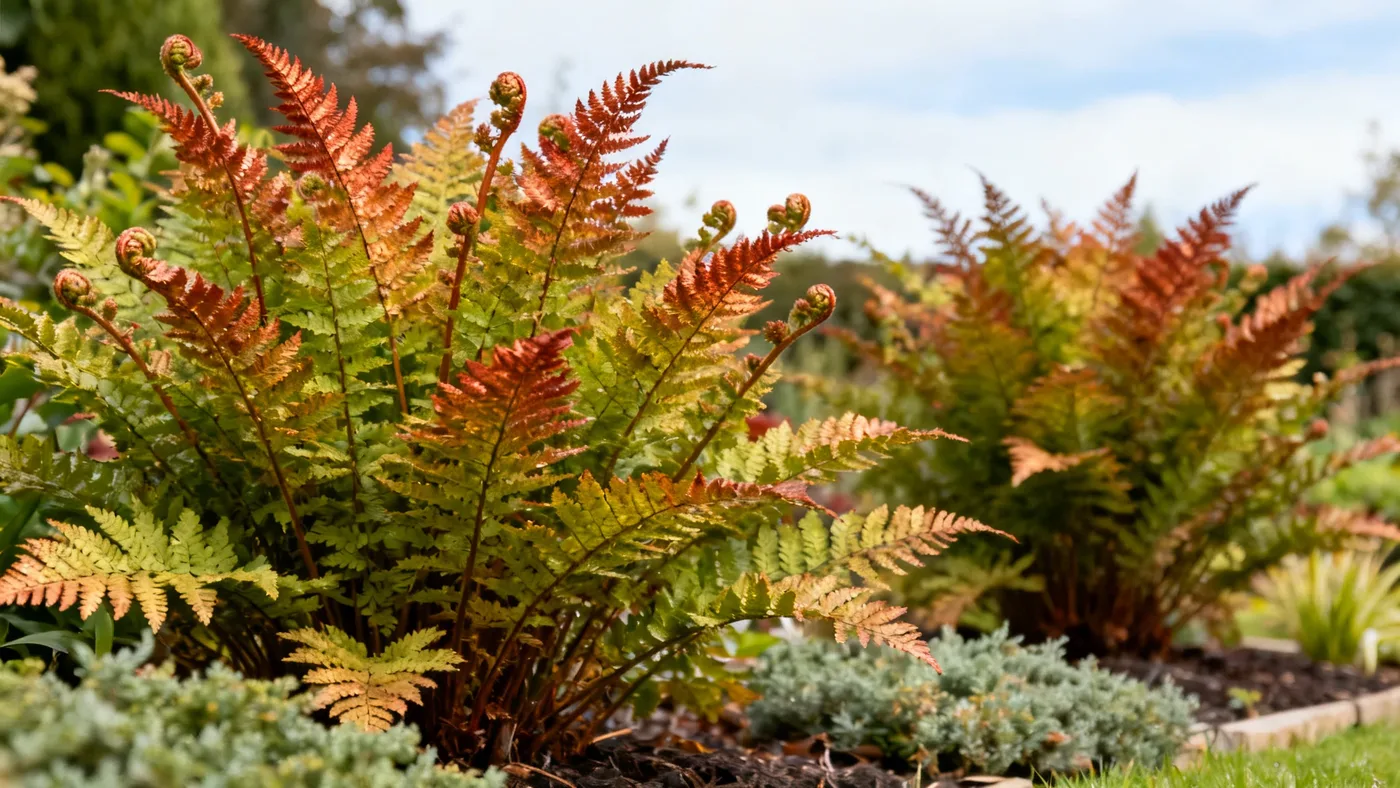
The Brilliance Autumn Fern (Dryopteris erythrosora 'Brilliance') is a shade-loving evergreen fern prized for its coppery-red emerging fronds and glossy dark green mature foliage. Getting the light right is one of the most important decisions you'll make when siting this plant in your garden. Unlike sun-hungry perennials, the Brilliance Autumn Fern has specific light requirements that, when met, reward you with reliable growth and year-round visual interest. This guide walks you through understanding brilliance autumn fern sun requirements, assessing your garden, and placing the plant where it will thrive.
What Does "Part Shade to Full Shade" Mean for Your Fern?
When nursery professionals talk about autumn fern light needs, we're describing a spectrum, not a single fixed condition. Part shade typically means 3 to 6 hours of filtered sunlight per day, or dappled sun under a tree canopy. Full shade means less than 3 hours of direct sun, but still receiving bright, indirect light throughout the day. Think of the difference this way: in part shade, you can read a book outdoors without strain. In full shade, you'd want to turn on a light indoors at the same time.
The Brilliance Autumn Fern performs best in this part shade to full shade range. It does not tolerate full, all-day sun, which will scorch its delicate fronds and fade the coppery colors that make it special. On the other hand, complete darkness (as under a dense evergreen or next to a north-facing wall with no reflected light) may slow growth and thin out the foliage.
The Morning Sun Exception: Cooler Climates and Consistent Moisture
Here's where regional climate shifts the answer to "does autumn fern need shade?" The plant tolerates more morning sun in cooler, northern climates if soil moisture stays consistent. If you live in USDA zones 5 or 6, morning sun from sunrise to roughly 10 or 11 a.m. will not damage your fern, provided you water regularly during dry spells. Northern light is gentler and shorter-duration, so the plant receives some energy without heat stress.
In warmer zones (7, 8, 9), morning sun is less essential and afternoon shade becomes even more critical. Afternoon heat is intense and can burn foliage. If you're in a warm zone and your only sunny spot has afternoon exposure, you'll need to offset that with extra irrigation to keep soil consistently moist.
Finding the Best Light for Brilliance Fern in Your Garden
The ideal spot for your Brilliance Autumn Fern is under the filtered canopy of a deciduous tree, such as an oak or maple. In spring and summer, the tree's leaves will dapple the light. In winter (when the fern retains its fronds in most zones), bare branches will allow more indirect light to reach the plant, which is exactly what it needs during the dormant season.
Another excellent location is the shaded side of a building or fence, where reflected light bounces around even without direct sun. East-facing foundations are particularly good: they catch early morning sun (which is mild) and remain shaded by afternoon.
Avoid these placements:
- West-facing spots with all-day exposure. Afternoon sun and reflected heat from walls will stress the plant.
- Areas under dense conifers where almost no light penetrates and air circulation is poor.
- Spots at the base of trees where root competition depletes moisture. The Brilliance Autumn Fern needs consistent moisture, and tree roots will monopolize water.
- Any site receiving more than 6 hours of direct sun, even if spread across the day.
Assessing Your Garden's Light: A Four-Step Process
Step 1: Map sun patterns over a full day. On a clear day, walk your garden every two hours from sunrise to sunset. Note which areas receive direct sun and which are shaded. Take photos at 8 a.m., noon, and 4 p.m. This gives you a real picture of light duration and angle. Don't rely on memory; the sun's position shifts dramatically throughout the year.
Step 2: Check seasonal variation. Light patterns change with the seasons. A spot that's heavily shaded by leaves in June may be partly sunny in March when trees are bare. Visit your garden at least twice more (once in spring and once in fall) to confirm the pattern holds year-round.
Step 3: Identify existing plants thriving in that spot. If hostas, heucheras, or other shade perennials are growing well there, that's a good sign it suits the Brilliance Autumn Fern. These plants have similar light preferences and moisture needs.
Step 4: Consider moisture availability. Shaded spots under trees may stay drier than open shade because tree roots monopolize water. If your proposed site is dry in summer, you'll need to supplement with irrigation to meet the fern's consistent-moisture requirement.
Placement Tips to Match Light with Landscape Design
Once you've found a shaded spot, consider placement within that area. The Brilliance Autumn Fern reaches 18 to 24 inches in height and 18 to 24 inches in width, forming a slowly spreading clump. Space it 18 to 24 inches apart if mass planting for groundcover under trees. If planting a single specimen, position it where you can see the coppery new fronds from a window or garden path. Spring and early summer growth is the showiest time.
Pair it with other shade lovers for a cohesive garden bed. Hostas, brunnera, hellebores, and astilbe all thrive in the same part shade to full shade conditions and complement the fern's fine-textured foliage. This creates layers of interest without competing for the same light resources. Your Brilliance Autumn Fern will reach its mature 18 to 24 inch clump size in approximately 2 to 3 years, so plan your garden with patience in mind.
Common Mistakes That Reveal Light Problems
Frond scorch (browning or bleaching): This is the plant's distress signal for too much sun. If you've planted in what you thought was part shade but see scorched fronds by midsummer, move the plant in fall or early spring to deeper shade. Once a fern is scorched, the damaged fronds won't recover. New growth in shadier conditions will be healthy and properly colored.
Slow or stunted growth: If your fern barely grows after two seasons and doesn't reach its expected 18 to 24 inches, the site may be too dark or lack air circulation. Increase reflected light by removing nearby competing plants or painting a nearby fence a light color to bounce light back into the planting area.
Leggy or sparse fronds: The plant is reaching for light in conditions that are too dim. This happens in very deep shade with little air circulation. If you can't provide more light, the fern will persist but won't look its best. Consider moving it to a spot with at least dappled shade.
Crown rot following a shaded, wet winter: If your shade spot stays soggy as well as dark, the fern struggles. Improve drainage by adding compost and ensuring the soil is organically rich but not waterlogged. Shade and poor drainage are a difficult combination for any fern.
Autumn Fern Full Sun or Shade: The Bottom Line
To directly answer the question: no, do not plant the Brilliance Autumn Fern in full sun. It will not thrive. The plant is fundamentally a shade fern. However, it is not a "deep dark corner only" fern either. Part shade with dappled or filtered light is ideal. In cooler zones (5 and 6), morning sun with afternoon shade and consistent moisture is acceptable and may even produce better foliage color. Once established, your fern will reward careful placement with rich green foliage, reliable coppery spring growth, and a presence in the shade garden that lasts for many years. Learn more about holistic care by reading our Brilliance Autumn Fern care guide, or prepare the soil and planting bed correctly by following our guide on how to plant the Brilliance Autumn Fern for best results.
Quick Reference: Light Conditions Checklist
| Condition | Suitability | Notes |
|---|---|---|
| Part shade (3 to 6 hours filtered sun) | Ideal | Dappled light under tree canopy; fern thrives and shows color |
| Full shade (less than 3 hours sun) | Good | Fern persists; growth slower; ensure adequate air circulation |
| Morning sun + afternoon shade (zones 5-6) | Acceptable | Keep soil consistently moist; avoid afternoon heat |
| Full all-day sun | Not suitable | Fronds scorch; foliage fades; plant declines |
| Dense shade under conifers | Poor | Too dark; poor air flow; avoid planting here |
| East-facing shade (morning light, afternoon shadow) | Excellent | Gentle light; reflected warmth; ideal for most regions |