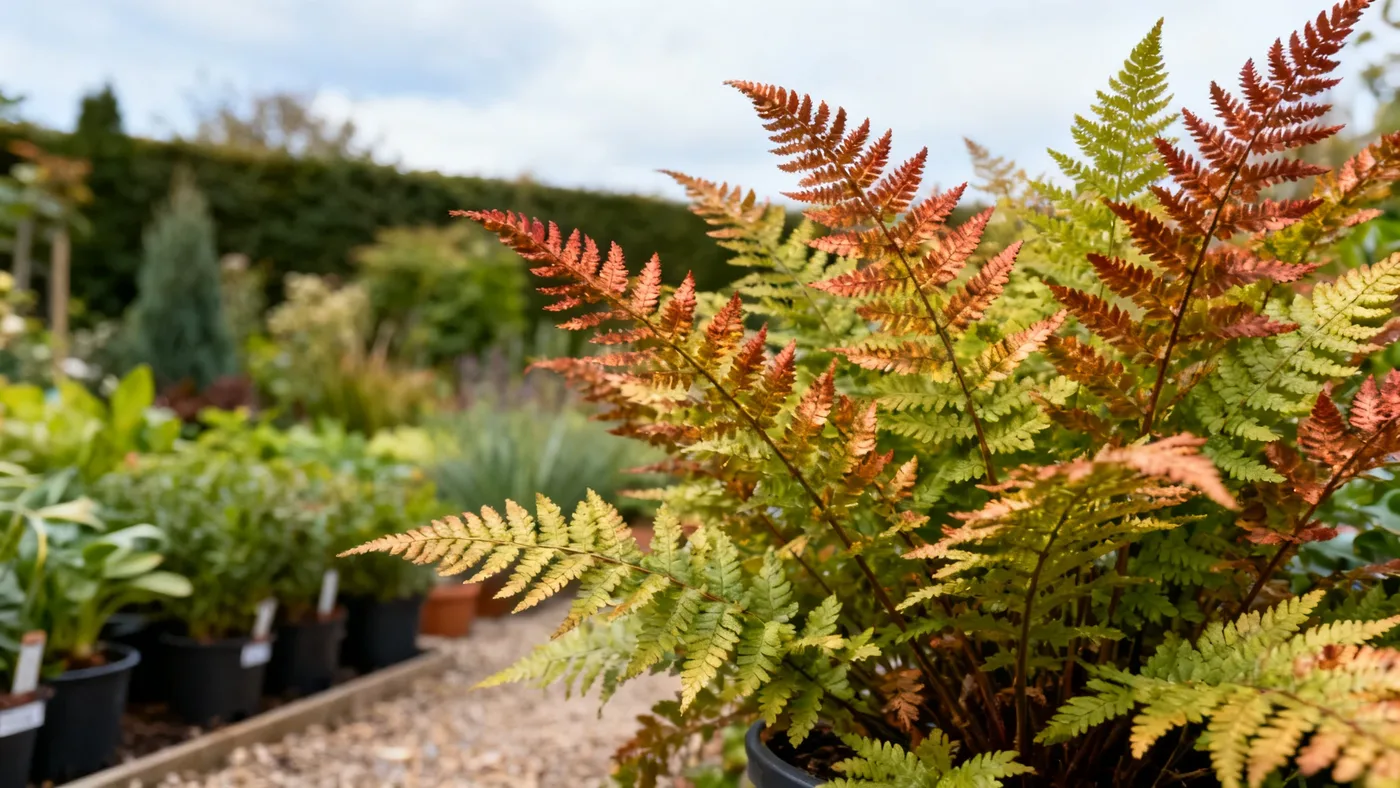
Best Soil for Brilliance Autumn Fern: pH, Drainage and Prep
The right soil makes the difference between a flourishing shade plant and a struggling one. Brilliance Autumn Fern is no exception. This guide walks you through selecting, testing, and preparing the ideal soil for your fern to thrive.
Why Soil Matters for Brilliance Autumn Fern
Brilliance Autumn Fern is a forest dweller by nature. In its native range across East Asia (Japan, China, Taiwan, and the Philippines), it grows in shaded woodland soils that are consistently moist, rich in organic matter, and acidic. Recreating these conditions in your garden or container is the foundation for healthy growth.
Poor soil often causes the most common problems: crown rot from waterlogging, frond scorch from inconsistent moisture, or slow establishment during the first year. The good news: getting soil right takes just a few steps, and the payoff is years of glossy, bronze-flushed foliage.
For a complete approach to growing this fern, check our Brilliance Autumn Fern care guide, which covers shade, spacing, and seasonal care alongside soil needs.
Understanding Soil: Texture, Drainage, and pH
The best soil for Brilliance Autumn Fern starts with three things: texture, drainage, and acidity.
What Well-Draining Soil Means
Well-draining soil for ferns holds moisture but does not stay soggy. Water flows through it readily, so the roots never sit in standing water. This is critical because the fern cannot tolerate poorly drained, heavy clay soil. Crown rot and root rot thrive in waterlogged conditions.
Think of well-draining soil as a balance: it retains enough moisture to keep the fern's shallow root system hydrated between waterings, but it drains fast enough that excess water moves downward rather than pooling around the crown.
The pH Sweet Spot
Autumn fern soil pH should be acidic to neutral, roughly in the 5.5 to 6.5 range. Most woodland ferns prefer acidic soil. If your garden soil is alkaline (above 7.0), you will need to amend it, especially in containers.
You can test pH with an inexpensive home kit from any garden center, or send a sample to your local extension service for a full soil analysis. The results guide you on what amendments to add.
Organic Matter: The Core of Autumn Fern Soil Type
The ideal autumn fern soil type is humusy and organically rich. Humus is partially decomposed organic material that holds moisture while staying light and well-drained. It mimics the forest floor where this fern naturally grows.
Organic matter does two jobs: it improves drainage in heavy soils (by loosening them) and improves moisture retention in sandy soils (by giving them substance). Either way, it is a win for the fern.
Autumn Fern Soil Amendments: What to Add
Start with a base of standard garden soil or purchased planting mix, then add amendments to build the ideal texture and pH.
Key Amendments to Consider
- Compost or aged bark: Adds organic matter and lightness. Use 25 to 40 percent of your final mix by volume.
- Peat moss or coconut coir: Improves moisture retention and acidity. Add 20 to 30 percent. Peat is traditional; coir is a more sustainable alternative.
- Coarse sand or perlite: Ensures drainage. Add 10 to 15 percent to prevent compaction.
- Pine bark fines or leaf mold: Mimics forest soil texture and adds acidity. Use 10 to 20 percent.
- Sulfur (if needed): Lowers pH in alkaline soils. Follow label rates; 1 to 2 pounds per 100 square feet is typical, but test first.
You do not need every amendment listed. A simple, effective mix combines compost, peat moss (or coir), and coarse sand in equal parts (one-third each), then mixed into your native soil at a 50/50 ratio by volume.
Step-by-Step Soil Preparation
Whether you are planting in the ground or in a container, follow these steps to prepare soil that supports healthy, long-term growth.
For In-Ground Planting
- Test your soil pH. Buy a kit or send a sample to your extension service. Record the result. If pH is above 6.5, you will need to lower it with sulfur.
- Dig the planting hole. Make it at least twice as wide as the root ball and equally deep. In heavy clay, go deeper: a 12-inch-deep hole for a quart-size fern is a good target.
- Amend the removed soil. Take the soil you removed from the hole and mix it with amendments. A 50/50 blend of native soil and compost-peat-sand mix works well. Aim for a crumbly, dark, moist texture.
- Add sulfur if needed. If your pH test showed alkaline soil, dissolve sulfur at the recommended rate in water and wet the hole before planting. This gives sulfur time to begin lowering pH.
- Backfill and water. Set the fern so the top of its root ball is level with the ground. Fill with amended soil, press gently, and water deeply. The soil should settle but not become hard or compacted.
- Mulch with 1 to 2 inches of leaf mold or aged bark. This keeps the soil temperature stable, retains moisture, and continues to add organic matter as it breaks down. Keep mulch 2 inches away from the crown to prevent rot.
For Container Planting
- Choose a container with drainage holes. Size it to the root ball: a quart-size nursery plant fits a 6 to 8-inch pot with room to grow.
- Mix your soil in a bucket or wheelbarrow. Combine equal parts compost, peat moss (or coir), and coarse sand. Wet the mix lightly before filling the pot to reduce settling later.
- Check pH if you are concerned. If using new potting mix components, test the final blend. Peat moss and coir naturally lean acidic, which usually works in your favor.
- Fill the pot to within 1 inch of the rim. Set the fern so its crown sits just above the soil surface. Water until water drains from the bottom.
- Place in shade. Brilliance Autumn Fern grows in part shade to full shade. Consistent shade and moist soil are your first-year priorities.
Common Mistakes to Avoid
- Using heavy clay without amendment. Dense, compacted clay holds water too long and causes crown rot. Always amend or use a raised bed.
- Letting soil dry out in the first year. Young ferns are not yet drought tolerant. Water regularly to keep soil consistently moist, not soggy. See our watering guide for specifics.
- Forgetting about pH in containers. Tap water and some store-bought mixes can shift pH over time. Repot every 2 to 3 years with fresh amended mix to reset the balance.
- Adding too much sand. Sand helps drainage, but too much (more than 20 percent) creates a dry, nutrient-poor environment. Balance is key.
- Mixing in fresh manure or high-nitrogen fertilizer. These heat the soil, burn roots, and cause damage. Use aged compost only, and apply balanced, slow-release fertilizer in spring.
- Burying the crown. Plant so the crown (where fronds emerge) sits just above soil level. Buried crowns rot.
What to Expect After Planting
Once planted in well-prepared soil, Brilliance Autumn Fern typically establishes slowly over the first growing season. New fronds may take a few weeks to emerge, and growth is modest during year one. By year two, the clump may produce a few inches of new frond growth per season as it settles in.
A mature plant grows to 18 to 24 inches tall and wide, forming a slowly spreading clump. Plant spacing should be 18 to 24 inches apart for mass plantings, giving each fern room without crowding. With the right soil, moisture, and shade, this fern can persist 10 or more years in your garden.
Quick Reference: Soil Checklist
| Soil Criteria | Target | Why It Matters |
|---|---|---|
| pH | 5.5 to 6.5 (acidic to neutral) | Fern prefers acidic forest soil; high pH limits nutrient uptake |
| Drainage | Well-draining; water flows within 24 hours | Prevents crown rot and root rot in waterlogged conditions |
| Texture | Humusy, organically rich, crumbly | Holds moisture yet stays light; mimics natural forest soil |
| Organic matter | 25 to 40% of mix (compost, peat, bark) | Adds structure, moisture retention, and long-term nutrient release |
| Depth (in-ground) | At least 8 to 12 inches prepared depth | Roots can spread and water drains downward |
| Moisture, first year | Consistently moist, not soggy | Fern not drought tolerant when young; needs regular water |
| Mulch | 1 to 2 inches leaf mold or aged bark, 2 in from crown | Regulates temperature and moisture; adds organic matter as it decays |