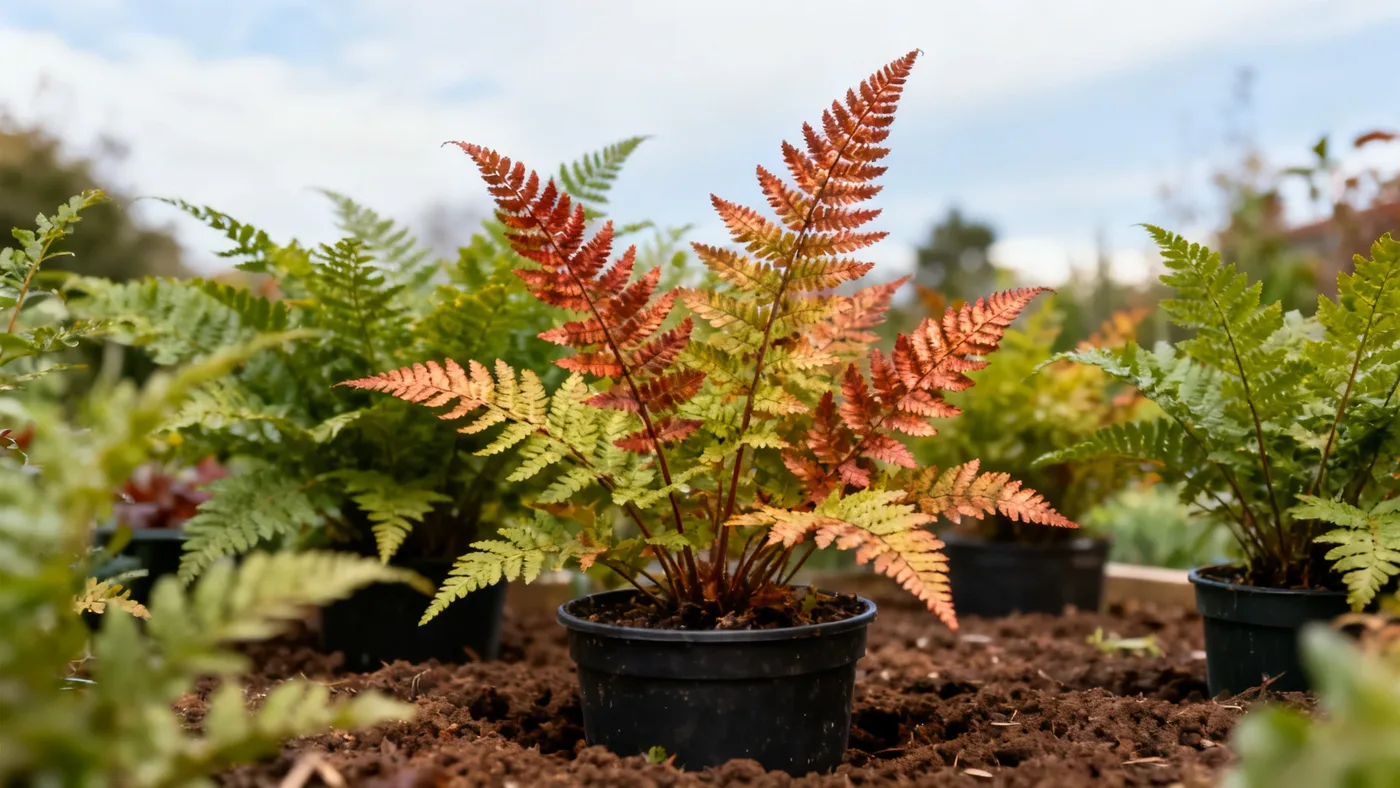
What Hardiness Zones Work Best for Brilliance Autumn Fern?
Brilliance Autumn Fern thrives in USDA hardiness zones 5 through 9, making it a reliable choice across much of the continental United States. Understanding your hardiness zone and how this fern behaves in cold weather will help you set realistic expectations for how it performs year-round in your garden.
Basic Zone Information
What hardiness zones does Brilliance Autumn Fern grow in?
Brilliance Autumn Fern is winter hardy in zones 5 through 9. This range covers most of the U.S. except the coldest regions (zone 4 and below) and the warmest areas (zone 10 and above). The fern's adaptability across such a broad range makes it useful for gardeners in northern New England down through the Southeast and into the warmest parts of the upper South.
Is Brilliance Autumn Fern cold hardy?
Yes. This fern is quite cold hardy for a tropical-origin plant species. Its parent species (Dryopteris erythrosora) comes from East Asia, particularly Japan, where it experiences genuine winters. The 'Brilliance' cultivar was selected specifically for ornamental value and has proven hardy throughout zones 5-9 with proper siting and soil preparation.
Can I grow Brilliance Autumn Fern in zone 5?
Yes, you can grow it in zone 5, though it will behave as a semi-evergreen fern rather than fully evergreen. This means the fronds may lose color, flatten, or brown back partially in the coldest months but will re-emerge in spring. Zone 5 is the coldest end of its range, so consistent soil moisture and afternoon shade (with morning sun tolerance if moisture is steady) give it the best chance to survive and recover.
What happens to the fern in zone 9?
In zone 9, Brilliance Autumn Fern is reliably evergreen, meaning it retains its glossy, dark green fronds year-round and provides winter structure and color to the shade garden. The warmer winters mean the coppery-red new spring growth emerges earlier and the plant fills out faster over a growing season. Zone 9 gardeners can rely on this fern to look attractive from winter straight into the next spring.
Does this fern grow outside the recommended zones?
Gardeners in zone 4 sometimes succeed with this fern if they provide exceptional winter protection (heavy mulch, a sheltered spot, consistent irrigation through fall). In zone 10 and warmer, the heat and lack of a true dormant season can stress it. For best results and confidence, stay within zones 5-9.
Winter Behavior and Evergreen Characteristics
How does the fern survive zone 5 winters?
The fern survives zone 5 winters through a semi-dormant state. The crown (where the fronds emerge) stays alive just below or at soil level, protected by rich, well-drained soil and whatever mulch or leaf litter accumulates. Each spring, new fiddleheads emerge and unfurl, and the plant rebuilds its foliage over several weeks. This recovery cycle is normal for zone 5 and does not harm the plant if the soil never stays waterlogged.
What's the difference between evergreen and semi-evergreen?
Evergreen means the fern keeps green fronds all winter long and looks full and lush year-round (zones 6-9). Semi-evergreen means some or most fronds brown, flatten, or disappear by deep winter, leaving the plant looking sparse or dormant until spring (zone 5). Both are normal and healthy; zone 5 simply has more extreme temperature swings that trigger a stronger dormancy response.
Will the fronds stay green all winter in my zone?
In zones 6-9, fronds typically remain dark green and glossy through winter, though they may take on bronze tones in response to cold snaps. In zone 5, expect fronds to lose color, flatten against the ground, or brown back partly by January. Either way, the crown stays alive, and spring growth is vigorous. If your zone 6 or 7 site experiences an unusually harsh winter, a light browning is not cause for alarm.
What does "may flatten or brown in harsher winters" mean?
In zones toward the colder end of the range (especially zone 5) or during a particularly cold winter in zones 6-7, the fronds can lose moisture and turgor, causing them to lie flat against the ground. They may also develop brown or bronze discoloration from the cold. This is a protective response and does not kill the plant. Once temperatures moderate in spring, the crown sends up fresh fronds and the plant recovers.
Does the fern look brown in winter?
In zone 5, yes, it often turns brown or bronze-tinged by late winter. In zones 6-9, it usually stays glossy and dark green but may show some bronze at the frond tips after hard freezes. If this appearance bothers you, cut back any seriously tattered fronds in late winter (just before new growth emerges) and the new spring fronds will be fresh and coppery-red.
Zone-Specific Planting and Care
Do I need to do anything special to help zone 5 plants survive winter?
In zone 5, plant in fall (September-October) to give the crown time to settle in before deep winter, or wait until spring (April-May) if fall planting makes you nervous. Ensure the soil drains well (not soggy) and add 2-3 inches of compost or leaf mold at planting time. A light mulch layer (2 inches) over the crown after the ground freezes can buffer temperature swings. Consistent fall watering is critical; do not let it dry out before the first hard freeze.
What sunlight does it need in cold climates?
In cold climates (zone 5 and northern zone 6), the fern tolerates more morning sun than in hotter zones, provided soil moisture stays consistent. This means a partly shaded spot with 2-4 hours of morning sun and afternoon shade is ideal. Full shade is fine too. The key is consistent moisture; dry soil plus full sun stresses the fern, especially in the first year, and puts survival at risk in winter.
How much water does it need after winter?
After winter dormancy (or partial dormancy), resume consistent watering once new growth begins in spring. Aim for evenly moist (not waterlogged) soil through the growing season. In zones 5-6, where the fern is not drought tolerant, this often means watering weekly in dry spells. Reduce frequency in fall once growth slows, but keep soil from drying completely until the first freeze.
Should I mulch around the fern in colder zones?
A light mulch (1 to 2 inches of compost, aged bark, or leaf mold) around the base is beneficial in all zones but especially zone 5. Apply it after the ground freezes in late fall; this keeps the root zone more stable and prevents heaving. Avoid piling mulch against the crown itself. Pull back the mulch slightly in spring to allow new growth to emerge freely.
Is zone 5 the hardest place to grow this fern?
Yes, zone 5 is the most challenging zone for this fern because of temperature extremes and the risk of freeze-thaw cycles that can heave plants out of the ground. Zone 4 would be harder but is outside the recommended range. If you're in zone 5 and want to maximize success, focus on site selection (afternoon shade, protected from wind), excellent soil drainage, and consistent fall moisture.
Regional Considerations and Microclimates
I'm in zone 6. Is this fern easy to grow in my area?
Zone 6 is a very good zone for this fern. Most of the year it behaves as evergreen (retaining fronds) and looks ornamental through winter. Occasional hard freezes may brown the fronds slightly, but the plant is not at risk if you provide part to full shade and consistent soil moisture during the growing season. Zone 6 offers a nice middle ground: the fern matures reliably and looks good most of the year.
Can I grow this fern in the Pacific Northwest?
Yes. Most of the Pacific Northwest falls in zones 8-9, which are ideal for Brilliance Autumn Fern. The reliable winter moisture, mild freezes, and consistent shade available in many Pacific Northwest gardens suit this fern well. The main caveat is to ensure the soil drains well; the region's heavy rains can cause root rot in poorly draining clay soil, so work in compost at planting time.
Is this a good fern for the Southeast?
The Southeast spans zones 6-9, so it is generally well-suited. In zones 6-7 (upper South), the fern is semi-evergreen to evergreen and fills in nicely as a shade groundcover or border accent. In zones 8-9 (lower South and Gulf Coast), it thrives and stays fully evergreen. The key in the warmest Southeast zones is afternoon shade and consistent moisture to prevent stress.
What if my microclimate is warmer or colder than my zone?
Microclimates matter. A south-facing sheltered slope in zone 5 may behave like zone 6, while a north-facing windy hilltop in zone 7 might feel like zone 6. Before planting, observe how your specific site performs in winter: Does frost linger late in spring? Does the wind accelerate winter damage? Plant accordingly and choose your site (sheltered if you're in a cold microclimate) to match the fern's needs.
Should I worry about late spring freezes?
In zones 5-6, late spring freezes are common and can damage fresh spring growth, but they rarely kill the fern outright. If a hard freeze hits just as new fiddleheads are unfurling, some growth may brown back. This is temporary; the plant will flush new fronds within a week or two. Avoid pruning too early in spring to spare yourself the temptation to remove blackened growth prematurely.
Establishment and First-Year Success
When's the best time to plant in my zone?
Spring (April-May in zone 5; March-May in zones 6-7; February-April in zones 8-9) and fall (September-October in zones 5-6; September-November in zones 7-9) are both suitable. Spring planting in colder zones gives the plant a full growing season to establish before winter. Fall planting allows roots to establish through winter dormancy. Either works; choose based on local nursery availability and your schedule.
How long until it reaches full size?
Brilliance Autumn Fern reaches its mature clump size of 18-24 inches in height and width in approximately 2 to 3 years under good growing conditions. Growth is slow to moderate (a few inches of new frond growth per year), so patience is needed. Do not expect a full, established look the first season; this is especially true in zone 5, where the first year is devoted mainly to surviving and establishing the root system.
Is the first year harder in cold zones?
Yes. In zone 5, the first year is critical. The fern must establish roots strong enough to survive winter while adjusting to its new location. Consistent moisture, partial shade, and good drainage are non-negotiable the first year. If you plant in spring, give it a full summer to settle in. If you plant in fall, water consistently until the ground freezes, so roots stay hydrated through dormancy.
Do I need winter protection for newly planted ferns?
In zones 5-6, newly planted ferns benefit from a light mulch layer (2 inches) applied after the ground freezes in late fall. In zones 7-9, winter protection is optional. Avoid heavy mulch that could smother the crown. The goal is to stabilize soil temperature fluctuations and keep the root zone consistently moist through dormancy, not to keep the plant warm.
What if my zone has a short growing season?
In zone 5, the growing season is roughly 120-150 days, which is tight but manageable for this fern. Plant in spring so it has the full summer to grow and toughen up before winter. Do not apply high-nitrogen fertilizer too late in the season, as this stimulates tender new growth that cold will damage. A light spring application of balanced fertilizer is sufficient.
Quick Reference: Hardiness Zone Guide
| Hardiness Zone | Winter Temperature Range | Plant Form | Key Planting Notes |
|---|---|---|---|
| Zone 5 | -20 to -10°F | Semi-evergreen; fronds brown or flatten in winter | Plant spring or fall; ensure excellent drainage; consistent fall watering; light mulch after freeze |
| Zones 6-7 | -10 to 5°F | Evergreen to semi-evergreen; fronds may bronze | Spring or fall planting; good soil preparation; consistent moisture first year; part to full shade |
| Zones 8-9 | 5°F and above | Fully evergreen year-round | Spring or fall planting; ensure drainage (especially in high-rain zones); afternoon shade ideal; reaches full size in 2-3 years |
For detailed growing guidance beyond hardiness zones, refer to our Brilliance Autumn Fern Care Guide for irrigation schedules, shade requirements, soil preparation, and year-round maintenance.